Introduction
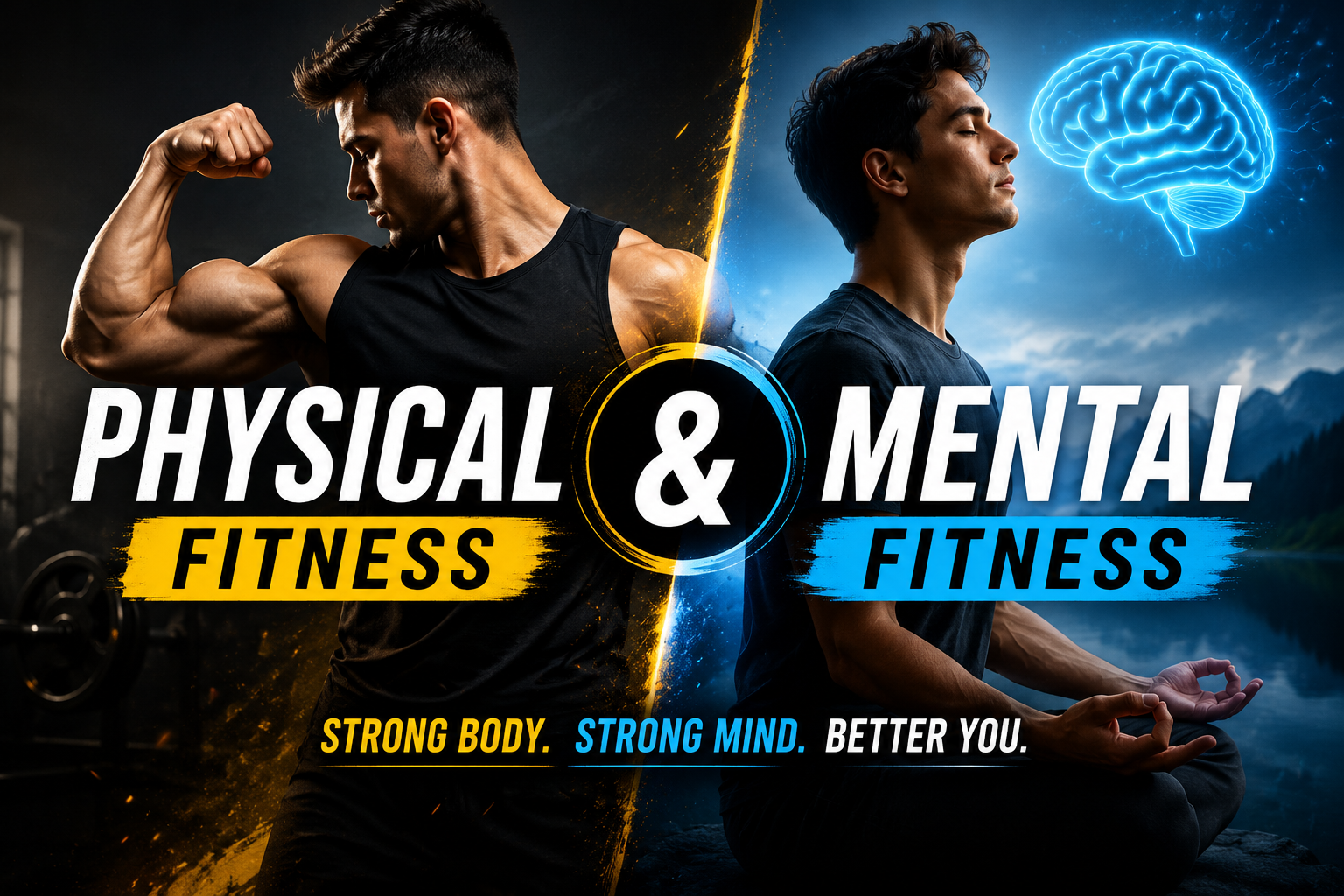
Health is one of the greatest treasures a person can have. It influences how we think, feel, work, learn, and enjoy life. While many people associate good health with being physically fit, true well-being is much more than having a strong body. It also includes having a healthy mind. Physical health and mental health work together every day, shaping the quality of our lives in ways we often overlook.
Imagine waking up feeling energetic, motivated, and ready to take on the day. Your body feels active, your mind is clear, and you can focus on your goals without constant stress or fatigue. This balance between physical and mental health is the foundation of a happy and meaningful life. When one suffers, the other often follows. A physically unhealthy body can increase stress and anxiety, while poor mental health can lead to unhealthy habits that affect the body.
In today’s fast-paced world, many people spend long hours working, studying, or using digital devices. Busy schedules, unhealthy eating habits, lack of exercise, poor sleep, and daily stress have become common parts of modern life. As a result, both physical and mental health challenges are increasing across all age groups. Understanding the importance of caring for both aspects of health is the first step toward living a longer, healthier, and more fulfilling life.
What Is Physical Health?
Physical health refers to the overall condition of your body and how well it performs its daily functions. It involves keeping your muscles, bones, heart, lungs, and other organs healthy through proper nutrition, regular exercise, adequate sleep, and healthy lifestyle choices.
Being physically healthy does not mean having a perfect body or looking like a professional athlete. Instead, it means having enough strength, energy, and endurance to perform daily activities comfortably without excessive fatigue.
Some signs of good physical health include:
- Having consistent energy throughout the day.
- Maintaining a healthy body weight.
- Sleeping well at night.
- Having strong immunity against common illnesses.
- Recovering quickly from minor injuries or sickness.
- Feeling physically active and capable.
Good physical health allows people to enjoy their daily lives, participate in sports, travel, work efficiently, and spend quality time with family and friends.
What Is Mental Health?
Mental health refers to a person’s emotional, psychological, and social well-being. It affects how we think, feel, make decisions, and interact with others. Good mental health helps us cope with life’s challenges, manage stress, maintain healthy relationships, and stay motivated.
Everyone experiences sadness, stress, or worry from time to time. However, good mental health allows people to recover from difficult situations and continue moving forward with confidence.
A mentally healthy person usually:
- Thinks positively most of the time.
- Handles stress in healthy ways.
- Communicates effectively with others.
- Maintains healthy relationships.
- Solves problems calmly.
- Accepts mistakes and learns from them.
- Feels motivated to achieve personal goals.
Mental health is just as important as physical health because our thoughts and emotions influence almost every decision we make.
The Strong Connection Between Physical and Mental Health
Physical and mental health are closely connected. They constantly influence one another, creating either a positive or negative cycle.
When your body is healthy, your brain functions better. Regular physical activity improves blood circulation, increases oxygen flow to the brain, and releases chemicals called endorphins. These natural chemicals improve mood, reduce stress, and create feelings of happiness.
Similarly, when your mental health is strong, you are more likely to make healthy choices such as exercising regularly, eating nutritious foods, sleeping well, and avoiding harmful habits.
On the other hand, poor physical health can increase emotional stress. Chronic illnesses, obesity, persistent pain, or lack of energy often lead to frustration, anxiety, and even depression.
Likewise, poor mental health may reduce motivation to exercise, prepare healthy meals, or maintain regular sleep patterns. This can eventually result in physical health problems such as obesity, high blood pressure, diabetes, and heart disease.
Because these two aspects are interconnected, taking care of one naturally benefits the other.
Why Both Physical and Mental Health Matter
A healthy life is not measured only by how long we live but also by how well we live. Maintaining both physical and mental health improves every area of life.
Better Daily Energy
When you exercise regularly, eat nutritious foods, and sleep well, your body produces more energy. Combined with a positive mindset, this energy allows you to stay productive throughout the day without feeling exhausted.
Instead of constantly feeling tired or overwhelmed, you become more motivated to complete daily tasks and pursue your goals.
Improved Brain Function
The brain requires oxygen, nutrients, and proper rest to function efficiently.
Healthy lifestyle habits improve:
- Memory
- Concentration
- Learning ability
- Creativity
- Decision-making skills
Students perform better in school, professionals become more productive at work, and older adults maintain better cognitive function.
Reduced Risk of Chronic Diseases
Healthy habits significantly lower the risk of many serious illnesses, including:
- Heart disease
- High blood pressure
- Type 2 diabetes
- Stroke
- Obesity
- Osteoporosis
Regular exercise strengthens the cardiovascular system while healthy eating provides essential nutrients that support overall body function.
Better Emotional Well-Being
Exercise is one of the most effective natural ways to improve mental health.
Physical activity helps reduce:
- Stress
- Anxiety
- Depression
- Mood swings
Even a simple 30-minute walk can improve mood by increasing the production of serotonin and endorphins, often called the body’s “feel-good” chemicals.
Stronger Immune System
The immune system protects the body against infections and diseases.
Healthy habits such as:
- Eating fruits and vegetables
- Drinking enough water
- Exercising regularly
- Sleeping 7–9 hours
help strengthen immunity and reduce the frequency of illness.
Better Relationships
Mental health plays a major role in how we communicate with others.
People with good emotional well-being tend to:
- Listen more carefully.
- Handle disagreements respectfully.
- Show empathy.
- Build stronger friendships.
- Maintain healthier family relationships.
Increased Confidence
When people take care of their bodies and minds, they naturally develop greater self-confidence.
Feeling physically fit and emotionally balanced encourages people to:
- Try new experiences.
- Speak confidently.
- Face challenges with courage.
- Pursue career and educational goals.
Confidence is built through consistent healthy habits rather than perfection.
Common Factors That Affect Physical and Mental Health
Several everyday habits can negatively impact both body and mind if left unchecked.
Poor Diet
Highly processed foods, sugary drinks, excessive fast food, and unhealthy fats provide temporary satisfaction but often lead to fatigue, weight gain, and poor concentration.
A balanced diet rich in fruits, vegetables, whole grains, lean proteins, and healthy fats supports both physical strength and brain health.
Lack of Physical Activity
Modern lifestyles often involve long hours of sitting in front of computers, televisions, or smartphones. This lack of movement weakens muscles, reduces cardiovascular fitness, and can also contribute to low mood and stress.
Chronic Stress
Stress is a natural response to challenges, but ongoing stress can harm both physical and mental health. It may lead to headaches, high blood pressure, poor sleep, digestive issues, anxiety, and burnout if not managed properly.
Sleep: The Foundation of Good Health
Sleep is one of the most important yet often overlooked aspects of health. During sleep, the body repairs damaged tissues, strengthens the immune system, and restores energy. At the same time, the brain processes information, regulates emotions, and improves memory.
Adults should aim for 7–9 hours of quality sleep each night. Poor sleep can lead to fatigue, difficulty concentrating, irritability, weakened immunity, and an increased risk of chronic illnesses. Creating a regular sleep schedule, limiting screen time before bed, and maintaining a quiet sleeping environment can greatly improve sleep quality.
Healthy Habits That Improve Physical and Mental Health
Living a healthier life does not require making dramatic changes overnight. Small, consistent habits can make a significant difference over time.
1. Stay Physically Active
Regular exercise is one of the best investments you can make in your health. It strengthens muscles and bones, improves heart health, boosts energy, and enhances mood. Activities such as walking, jogging, cycling, swimming, yoga, or even dancing can help keep your body active.
Aim for at least 30 minutes of moderate physical activity five days a week. Remember, consistency is more important than intensity.
2. Eat a Balanced Diet
The food you eat directly affects both your body and your brain. A balanced diet provides the nutrients needed for energy, growth, and disease prevention.
Include plenty of:
- Fresh fruits and vegetables
- Whole grains
- Lean proteins
- Healthy fats
- Low-fat dairy products
- Plenty of water
Try to limit sugary drinks, processed snacks, and excessive fast food. Healthy eating supports a stronger immune system, improves concentration, and helps maintain a healthy weight.
3. Manage Stress Effectively
Stress is a normal part of life, but learning how to manage it is essential. Healthy ways to reduce stress include:
- Practicing deep breathing exercises
- Meditation or mindfulness
- Spending time in nature
- Reading books
- Listening to relaxing music
- Talking with trusted friends or family members
- Pursuing hobbies you enjoy
Managing stress helps improve emotional balance and protects your physical health.
4. Stay Connected with Others
Humans are social beings, and meaningful relationships play an important role in mental well-being. Spending time with family, friends, and supportive communities can reduce feelings of loneliness and improve happiness.
Even a simple conversation with someone you trust can help reduce stress and improve your mood.
5. Limit Screen Time
Technology has become an essential part of daily life, but excessive screen time can negatively affect both physical and mental health. Spending too much time on smartphones, computers, or social media may reduce physical activity, disturb sleep, and increase stress.
Taking regular breaks, setting screen-time limits, and spending more time outdoors can help create a healthier balance.
6. Avoid Harmful Habits
Smoking, excessive alcohol consumption, and drug use can seriously damage both physical and mental health. These habits increase the risk of heart disease, cancer, liver disease, anxiety, and depression.
Choosing healthier alternatives protects your body and improves your overall quality of life.
Physical and Mental Health at Different Stages of Life
Good health is important at every age, but health needs change throughout life.
Children
Healthy eating, active play, quality sleep, and emotional support help children grow into strong and confident adults. Encouraging healthy habits early creates a solid foundation for lifelong well-being.
Teenagers
Teenagers experience rapid physical and emotional changes. Regular exercise, balanced nutrition, stress management, and supportive relationships help them navigate academic pressure and personal challenges.
Adults
Adults often balance careers, family responsibilities, and financial commitments. Maintaining healthy routines, exercising regularly, and making time for relaxation are essential for preventing burnout and chronic diseases.
Older Adults
As people age, staying physically active, eating nutritious foods, maintaining social connections, and engaging in mentally stimulating activities help preserve independence and improve overall quality of life.
Simple Daily Routine for Better Health
Creating a healthy daily routine does not have to be complicated. Small actions performed consistently can lead to lasting improvements.
A healthy day may include:
- Wake up at the same time each morning.
- Drink a glass of water after waking.
- Eat a nutritious breakfast.
- Spend at least 30 minutes exercising.
- Take short breaks during work or study.
- Eat balanced meals throughout the day.
- Stay hydrated by drinking enough water.
- Spend time with family or friends.
- Avoid excessive screen time before bedtime.
- Sleep for 7–9 hours every night.
These habits may seem simple, but together they create a healthier and happier lifestyle.
Common Myths About Physical and Mental Health
Many misconceptions prevent people from taking proper care of their health.
Myth: Physical health is more important than mental health.
Reality: Both are equally important because they constantly influence one another.
Myth: Only older people need to worry about staying healthy.
Reality: Healthy habits should begin in childhood and continue throughout life.
Myth: Mental health problems are a sign of weakness.
Reality: Mental health challenges are medical conditions that can affect anyone, regardless of age, gender, or background.
Myth: You need expensive gym memberships to stay healthy.
Reality: Walking, home workouts, stretching, and outdoor activities are effective ways to maintain physical fitness.
When to Seek Professional Help
Sometimes healthy habits alone are not enough. If you experience persistent sadness, anxiety, overwhelming stress, severe sleep problems, or physical symptoms that interfere with daily life, seeking professional help is important.
Doctors, psychologists, counselors, dietitians, and fitness professionals can provide guidance tailored to your individual needs. Asking for help is a sign of strength, not weakness.
Conclusion
Physical and mental health are two sides of the same coin. Neither can thrive without the other. A healthy body gives you the strength to achieve your goals, while a healthy mind provides the confidence, resilience, and emotional balance needed to enjoy life. Together, they shape how we think, work, build relationships, and overcome challenges.
Improving your health does not require perfection. It begins with small, consistent choices—eating nutritious meals, staying active, getting enough sleep, managing stress, and maintaining meaningful relationships. Over time, these simple habits create lasting improvements in both body and mind.
Remember that health is a lifelong journey rather than a destination. Every positive decision you make today is an investment in a healthier, happier, and more fulfilling tomorrow.
Frequently Asked Questions (FAQs)
1. What is the difference between physical and mental health?
Physical health refers to the condition of the body, while mental health focuses on emotional, psychological, and social well-being. Both are equally important for overall health.
2. Why are physical and mental health connected?
A healthy body supports brain function and emotional well-being, while good mental health encourages healthy habits such as regular exercise, nutritious eating, and proper sleep.
3. How can I improve both physical and mental health?
You can improve both by exercising regularly, eating a balanced diet, sleeping 7–9 hours, managing stress, staying socially connected, and avoiding harmful habits like smoking and excessive alcohol consumption.
4. How much exercise should adults get each week?
Health experts recommend at least 150 minutes of moderate-intensity physical activity per week, along with muscle-strengthening exercises on two or more days.
5. Can small lifestyle changes really make a difference?
Yes. Small daily habits such as walking, drinking more water, eating healthier foods, practicing gratitude, and maintaining a regular sleep schedule can significantly improve both physical and mental health over time.