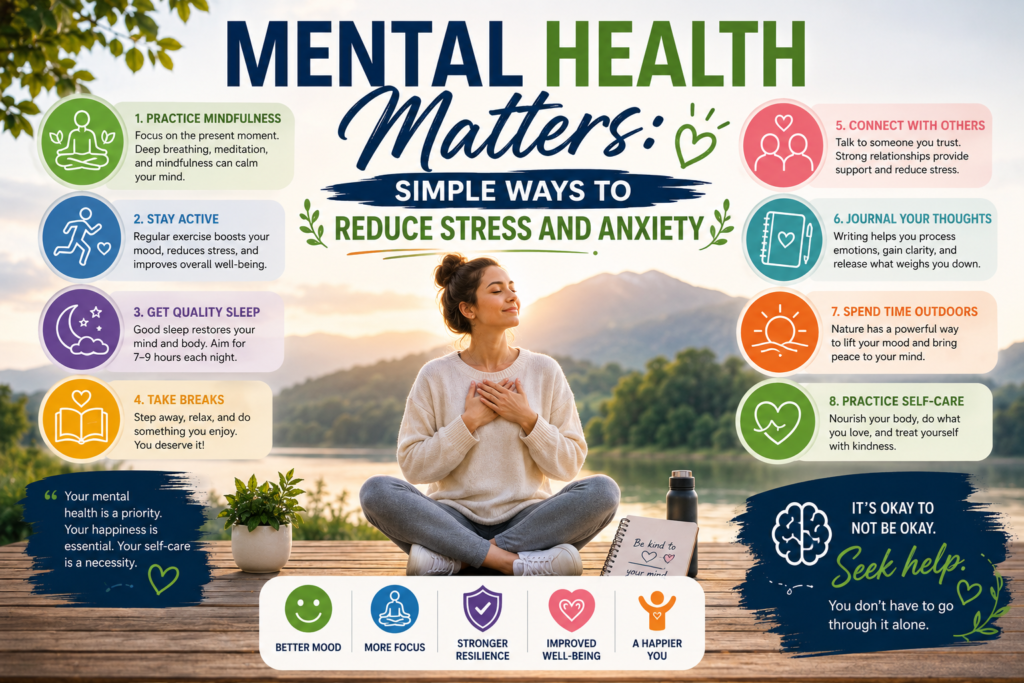
In today’s busy world, stress and anxiety have become common experiences for people of all ages. Work responsibilities, financial pressures, personal relationships, and the constant flow of information can sometimes feel overwhelming. While occasional stress is a normal part of life, prolonged stress and anxiety can affect both mental and physical health.
The good news is that managing stress does not always require major lifestyle changes. Small, consistent habits can make a significant difference in improving emotional well-being and helping people feel more balanced and in control. Understanding the importance of mental health and adopting practical coping strategies can lead to a happier and healthier life.
Understanding Stress and Anxiety
Stress is the body’s natural response to challenges or demands. It can help motivate individuals to meet deadlines, solve problems, or respond to difficult situations. However, when stress becomes constant, it can negatively impact overall health.
Anxiety, on the other hand, involves persistent feelings of worry, nervousness, or fear that may not always be connected to an immediate threat. While occasional anxiety is normal, excessive anxiety can interfere with daily activities, relationships, and personal well-being.
Recognizing the signs of stress and anxiety is the first step toward managing them effectively.
Prioritize Quality Sleep
Sleep plays a vital role in maintaining mental health. Lack of sleep can increase irritability, reduce concentration, and make it more difficult to cope with everyday challenges.
Creating a consistent sleep routine can improve both sleep quality and emotional well-being. Going to bed and waking up at the same time each day, limiting screen time before bedtime, and creating a calm sleeping environment can help promote restful sleep.
Stay Physically Active
Regular physical activity is one of the most effective ways to reduce stress and anxiety. Exercise encourages the release of endorphins, often called the body’s natural “feel-good” chemicals.
Activities such as walking, jogging, cycling, swimming, yoga, or dancing can improve mood and reduce tension. Even a short daily walk can provide noticeable mental health benefits.
Practice Mindfulness and Relaxation Techniques
Mindfulness involves focusing on the present moment without judgment. It helps individuals become more aware of their thoughts and emotions while reducing the tendency to dwell on worries about the past or future.
Simple relaxation techniques such as deep breathing exercises, meditation, and progressive muscle relaxation can help calm the mind and reduce feelings of stress. Spending just a few minutes each day practicing mindfulness can improve emotional resilience over time.
Maintain Healthy Social Connections
Strong relationships provide emotional support during difficult times. Talking with trusted friends, family members, or colleagues can help reduce feelings of isolation and provide comfort when facing challenges.
Making time for meaningful conversations and social activities can strengthen connections and improve overall mental well-being. Sometimes, simply sharing concerns with someone who listens can make a significant difference.
Limit Information Overload
While staying informed is important, constantly consuming news and social media content can contribute to stress and anxiety. Negative headlines and endless scrolling may increase feelings of worry and overwhelm.
Setting boundaries around screen time and taking regular breaks from digital devices can help create a healthier balance. Focusing on reliable information sources and limiting exposure to distressing content can also support mental wellness.
Eat a Balanced Diet
Nutrition plays an important role in mental health. A balanced diet provides the nutrients needed for proper brain function and emotional stability.
Consuming plenty of fruits, vegetables, whole grains, lean proteins, and healthy fats can support overall well-being. Reducing excessive caffeine, sugar, and highly processed foods may also help stabilize mood and energy levels.
Make Time for Activities You Enjoy
Engaging in hobbies and enjoyable activities can provide a healthy escape from daily stressors. Whether it is reading, painting, gardening, cooking, listening to music, or spending time outdoors, enjoyable activities help promote relaxation and happiness.
Taking time for personal interests can improve mood and create a greater sense of balance in life.
Learn to Manage Your Time
Poor time management often contributes to feelings of stress and overwhelm. Creating realistic schedules, setting priorities, and breaking large tasks into smaller steps can make responsibilities feel more manageable.
Learning to say no when necessary and avoiding overcommitment can also reduce unnecessary pressure and improve mental well-being.
Practice Gratitude
Focusing on positive aspects of life can help shift attention away from stress and negativity. Practicing gratitude encourages individuals to appreciate what they have rather than constantly focusing on problems or challenges.
Keeping a gratitude journal or taking a few moments each day to reflect on positive experiences can promote a more optimistic outlook and improve emotional health.
Seek Professional Support When Needed
While self-care strategies can be highly effective, there are times when professional support is necessary. If stress or anxiety becomes overwhelming, persistent, or begins interfering with daily life, seeking help from a mental health professional can be beneficial.
Therapists, counselors, and other healthcare providers can offer guidance, coping strategies, and treatment options tailored to individual needs.
Conclusion
Mental health is an essential part of overall well-being and deserves the same attention as physical health. Stress and anxiety are common challenges, but they do not have to control your life. By prioritizing sleep, staying active, maintaining healthy relationships, practicing mindfulness, and seeking support when necessary, individuals can build resilience and improve their emotional well-being.
Small daily actions can have a powerful impact over time. Taking care of your mental health today can lead to a more balanced, fulfilling, and healthier future.
