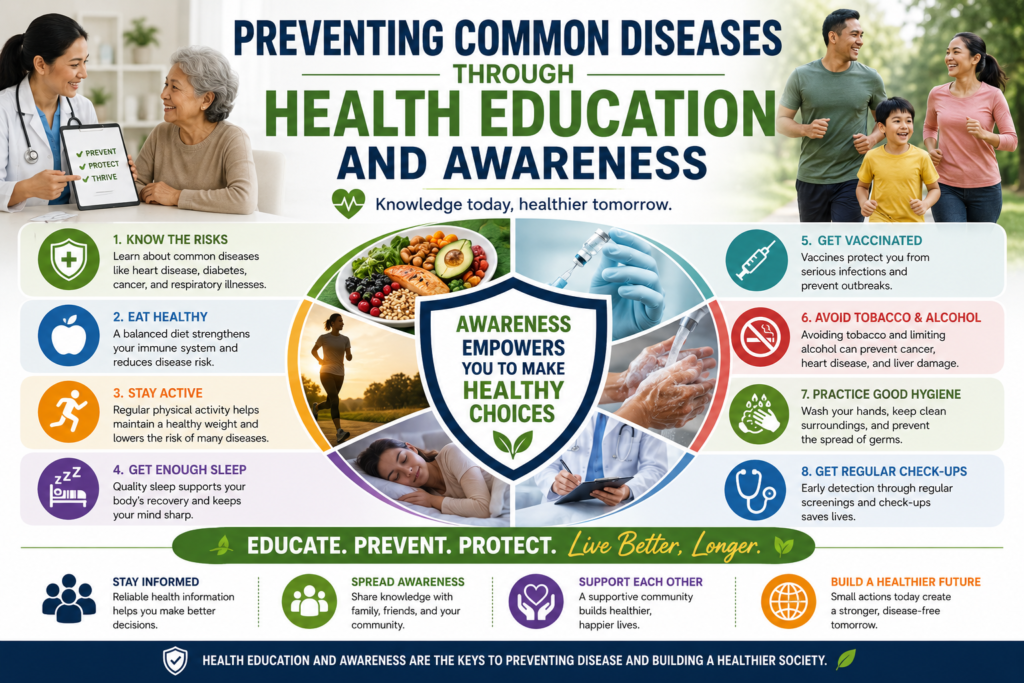
Health is one of the most valuable assets a person can have, yet many common diseases continue to affect millions of people worldwide. Conditions such as heart disease, diabetes, obesity, respiratory infections, and certain types of cancer often have a significant impact on individuals, families, and communities. While medical advancements have improved treatment options, prevention remains the most effective approach to reducing the burden of disease.
Health education and public awareness play a crucial role in disease prevention. By providing people with accurate information and practical knowledge, individuals can make informed decisions that support healthier lifestyles and reduce their risk of developing preventable illnesses.
The Role of Health Education
Health education involves teaching individuals and communities about practices that promote physical, mental, and social well-being. It empowers people to understand health risks, recognize warning signs of disease, and adopt behaviors that improve overall health.
Effective health education goes beyond simply providing information. It encourages positive lifestyle changes, builds awareness about preventive measures, and helps individuals develop the skills needed to make healthy choices throughout their lives.
Understanding Common Preventable Diseases
Many of the most widespread health conditions are linked to lifestyle factors and environmental influences. These diseases often develop gradually and can be prevented or managed through informed decision-making.
Heart Disease
Heart disease remains one of the leading causes of death worldwide. Risk factors such as poor diet, physical inactivity, smoking, obesity, and high blood pressure significantly increase the likelihood of developing cardiovascular problems.
Health education helps people understand the importance of regular exercise, healthy eating habits, and routine medical checkups in maintaining heart health.
Type 2 Diabetes
Type 2 diabetes is often associated with unhealthy eating patterns, excess body weight, and a lack of physical activity. Awareness programs can educate individuals about managing blood sugar levels, maintaining a balanced diet, and staying physically active to reduce their risk.
Obesity
Obesity increases the risk of several chronic diseases, including heart disease, diabetes, and certain cancers. Educational initiatives that promote proper nutrition, portion control, and active lifestyles can help prevent excessive weight gain and improve overall health.
Infectious Diseases
Many infectious diseases can be prevented through proper hygiene practices, vaccinations, and public health awareness. Educational campaigns encourage behaviors such as regular handwashing, safe food handling, and timely immunizations, helping to reduce the spread of infections within communities.
The Importance of Awareness Campaigns
Public awareness campaigns play a vital role in delivering health information to large audiences. Through schools, healthcare facilities, workplaces, community centers, and digital platforms, awareness programs can reach people from diverse backgrounds.
These campaigns help individuals understand the causes of diseases, identify risk factors, and learn practical strategies for prevention. They also encourage people to seek medical advice when necessary and participate in health screenings and vaccination programs.
Encouraging Healthy Lifestyle Choices
One of the primary goals of health education is to promote healthy behaviors that reduce disease risk. Several lifestyle habits can significantly improve long-term health outcomes.
Healthy Eating
A balanced diet rich in fruits, vegetables, whole grains, lean proteins, and healthy fats provides the nutrients needed for optimal body function. Limiting processed foods, added sugars, and excessive salt can reduce the risk of chronic diseases.
Regular Physical Activity
Exercise helps maintain a healthy weight, strengthens the cardiovascular system, improves mental health, and lowers the risk of many diseases. Even moderate physical activity, such as walking or cycling, can have substantial health benefits.
Avoiding Harmful Habits
Smoking, excessive alcohol consumption, and substance abuse are major contributors to preventable diseases. Health education programs often focus on raising awareness about these risks and encouraging healthier alternatives.
Mental Health Awareness
Mental health is closely connected to physical health. Stress, anxiety, and depression can influence lifestyle choices and overall well-being. Educational efforts that promote mental health awareness encourage individuals to seek support when needed and adopt healthy coping strategies.
The Role of Schools and Communities
Schools and community organizations play an important role in promoting health education. By introducing health-related topics at an early age, schools help children develop healthy habits that can last a lifetime.
Community programs, workshops, and local health initiatives provide valuable opportunities for individuals to learn about disease prevention, nutrition, exercise, and wellness practices. These efforts contribute to healthier populations and stronger communities.
Benefits of Early Detection and Regular Checkups
Health education also emphasizes the importance of preventive healthcare. Regular medical checkups, screenings, and vaccinations can help identify health issues before they become serious.
Early detection often leads to more effective treatment and better health outcomes. Encouraging people to monitor their health and seek medical advice when necessary is a key component of disease prevention.
Conclusion
Preventing common diseases requires more than medical treatment—it requires knowledge, awareness, and proactive action. Health education empowers individuals to make informed decisions about their well-being, while awareness campaigns help spread vital information throughout communities.
By promoting healthy lifestyles, encouraging preventive healthcare, and increasing public understanding of disease risks, health education can significantly reduce the occurrence of many preventable illnesses. Investing in education and awareness today can lead to healthier individuals, stronger communities, and a brighter future for generations to come.
