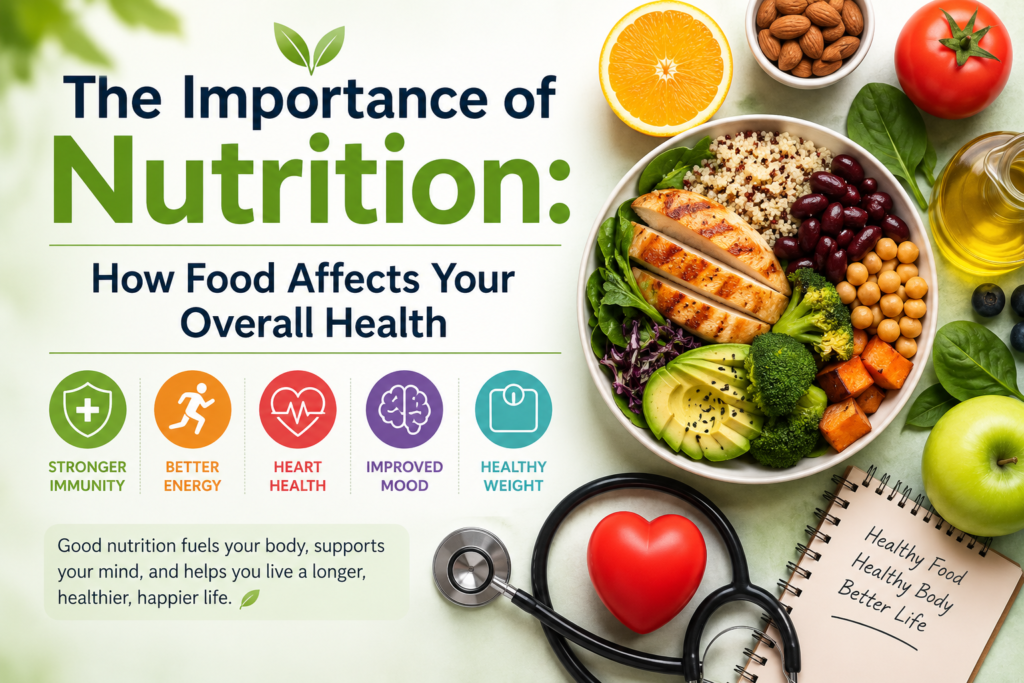
Food is much more than a source of energy. It is the foundation of good health, influencing everything from physical growth and immune function to mental well-being and disease prevention. The choices we make at mealtime have a direct impact on how our bodies function and how we feel each day. Understanding the importance of nutrition can help individuals make healthier decisions that lead to a better quality of life.
What Is Nutrition?
Nutrition is the process by which the body obtains and uses nutrients from food to support growth, repair tissues, and maintain overall health. These nutrients include carbohydrates, proteins, fats, vitamins, minerals, and water. Each nutrient plays a unique role in helping the body perform essential functions.
A balanced diet provides the right combination of nutrients needed to keep the body functioning efficiently and reduce the risk of various health problems.
Nutrition and Physical Health
Good nutrition is essential for maintaining physical health. The body relies on nutrients to build strong bones, support muscle growth, repair damaged tissues, and produce energy.
Energy Production
Carbohydrates, fats, and proteins are the primary sources of energy. Carbohydrates are the body’s preferred fuel source, while fats provide long-lasting energy. Proteins support muscle repair and growth while also contributing to energy production when needed.
Strong Immune System
A nutritious diet helps strengthen the immune system, making it easier for the body to fight infections and illnesses. Vitamins such as vitamin C and vitamin D, along with minerals like zinc, play a crucial role in supporting immune function.
Healthy Weight Management
Balanced eating habits help maintain a healthy weight by providing the body with the nutrients it needs without excessive calories. Consuming nutrient-rich foods such as fruits, vegetables, whole grains, and lean proteins can reduce the risk of obesity and related health conditions.
Nutrition and Mental Health
The connection between nutrition and mental health is becoming increasingly clear. The brain requires a constant supply of nutrients to function properly. Poor dietary habits can negatively affect mood, concentration, and emotional well-being.
Improved Mood
Foods rich in vitamins, minerals, and healthy fats can help support emotional balance. Nutrient-dense diets have been linked to lower rates of anxiety and depression, while diets high in processed foods and added sugars may contribute to mood fluctuations.
Better Cognitive Function
Proper nutrition supports memory, concentration, and overall brain performance. Nutrients such as omega-3 fatty acids, antioxidants, and B vitamins are particularly important for maintaining brain health throughout life.
Nutrition and Disease Prevention
One of the most significant benefits of good nutrition is its role in preventing chronic diseases. Many health conditions are influenced by dietary habits.
Heart Disease
Eating a diet rich in fruits, vegetables, whole grains, and healthy fats can help lower blood pressure, reduce cholesterol levels, and support heart health.
Type 2 Diabetes
Maintaining a balanced diet and controlling sugar intake can help regulate blood glucose levels and reduce the risk of developing type 2 diabetes.
Certain Types of Cancer
Research suggests that diets high in plant-based foods and low in processed meats may help lower the risk of certain cancers. Antioxidants found in fruits and vegetables help protect cells from damage.
The Role of Hydration
Proper hydration is an essential part of nutrition. Water supports digestion, regulates body temperature, transports nutrients, and helps remove waste products from the body.
Even mild dehydration can lead to fatigue, headaches, and reduced concentration. Drinking adequate amounts of water throughout the day is important for maintaining overall health.
Tips for Improving Your Nutrition
Improving nutrition does not require drastic changes. Small, consistent adjustments can make a significant difference over time.
- Eat a variety of fruits and vegetables every day.
- Choose whole grains instead of refined grains.
- Include lean protein sources in meals.
- Limit processed foods and sugary beverages.
- Drink plenty of water.
- Practice portion control.
- Plan balanced meals and healthy snacks.
Conclusion
Nutrition plays a vital role in every aspect of health, from physical strength and immune function to mental well-being and disease prevention. The food we eat serves as the fuel that powers our bodies and minds. By making informed dietary choices and focusing on balanced nutrition, individuals can improve their overall health, enhance their quality of life, and reduce the risk of chronic diseases. Healthy eating is not about perfection; it is about making consistent choices that support long-term wellness and vitality.
